Teeth aligner companies are not just manufacturers of plastic trays. Many of them also design aligners, build digital treatment planning systems, support scanning workflows, and provide clinical training or software tools. Because these companies operate in different ways, it is important to understand their business models and service scope before choosing one. This article explains the main types of teeth aligner companies, how they work, and who they serve. It is designed to help clinics, distributors, private-label buyers, and consumers better understand the aligner industry and make more informed decisions.
A teeth aligner company is a business that produces clear teeth aligners and often supports the entire orthodontic workflow. Their core functions may include:
Designing and manufacturing aligners.
Supporting digital treatment planning and case setup.
Working with dentists and orthodontists to manage cases.
Managing scan, impression, and case review processes.
Producing, shipping, and delivering aligners to clinics or patients.
Offering clinical support, training, or software platforms.
Not all teeth aligners companies provide the same level of service. Some focus on product alone, while others integrate treatment planning, scanning, and after-sales support into a full system.
Brand manufacturers develop and sell their own aligner products and often manage the full workflow from planning to production. They typically work with clinics and orthodontists rather than directly with consumers.
These companies usually invest in research, material development, digital planning tools, and clinical training. They are often involved in both product development and clinical support.
Examples of well-known teeth aligner brands include:
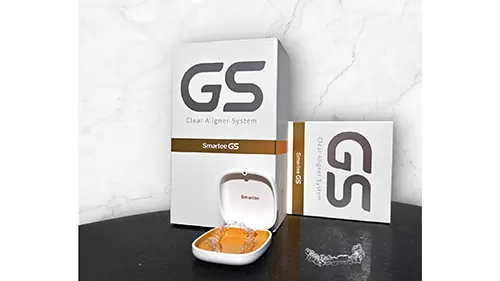
Smartee Denti-Technology — Smartee is a leading Chinese aligner brand and manufacturer focused on digital orthodontics and clear aligner solutions. Founded in 2004 and based in Shanghai, Smartee is known for its aligner technology, digital workflow integration, and international market presence.
Align Technology — Align Technology is the global company behind the Invisalign brand, the most widely recognized aligner system worldwide. It offers a full digital workflow, including scanning, treatment planning, and aligner production.
Angelalign Technology Inc. — Angelalign is a major aligner brand and manufacturer with a strong presence in mainland China and growing global operations. The company provides clear aligner products combined with digital orthodontic workflows and clinical support.
Brand manufacturers often serve as the primary provider in clinic-based treatment models.
OEM and ODM suppliers manufacture aligners for other brands or private labels. They may not sell their own brand but instead focus on production efficiency, customization, and export support.
These suppliers are common among buyers such as:
Distributors looking to build their own brand.
Dental brands expanding into orthodontics.
Private-label clients seeking flexible production.
OEM/ODM companies are often based in manufacturing hubs such as China, where they can offer cost-effective production and scalable capacity. Their role is mainly to produce aligners to the client’s specifications.
Dental labs produce custom aligners for clinics, orthodontists, or brands. They usually receive scans or impressions from the provider, create the treatment setup, and fabricate the aligners.
Key characteristics of dental labs include:
Working on smaller batches and highly customized cases.
Being flexible with case designs and timelines.
Often communicating directly with the treating dentist.
Labs may differ in digital capability and scale. Some labs now use digital planning and 3D printing, while others still rely on more traditional methods.
Direct-to-consumer (DTC) companies sell aligners directly to consumers rather than through traditional in-clinic treatment models. This model is designed for convenience and lower cost.
The typical DTC workflow includes:
Online evaluation or questionnaire.
At-home impression kits or remote scanning.
Remote monitoring of progress.
Mail delivery of aligners to the consumer.
DTC companies may offer convenience, but they may not be suitable for every case. Professional supervision is often more limited compared with clinic-based models, which may increase risk for more complex conditions.
Some companies combine aligner production with software, scanning, and treatment planning tools. These are often called “digital orthodontic platform” companies.
Their role may include:
Providing scanning solutions and software.
Offering digital treatment planning and case management tools.
Supporting dentists, labs, and distributors with connected systems.
Integrating aligner production with digital workflows.
This model is increasingly important in modern orthodontics, as it links aligner production with the full digital treatment chain.
Most teeth aligner companies follow a similar workflow, but the depth of involvement varies by company type.
The typical process includes:
Case inquiry or patient consultation. The clinic or patient starts the process by requesting treatment.
Scan or impression collection. Scans or impressions are taken and sent to the company.
Digital treatment planning. The company creates a treatment plan and aligner setup.
Manufacturing of aligners. Aligners are produced in a lab or manufacturing facility.
Delivery to clinic, doctor, or consumer. Aligners are shipped to the provider or directly to the patient.
Follow-up and refinements. Progress is monitored, and refinements may be needed for some cases.
Brand manufacturers may control the full workflow, while OEMs, labs, and DTC providers handle only part of it. Understanding which parts a company manages is important when evaluating their role.
The best company type depends on the buyer’s role and goals.
Clinics and orthodontists often work with brand manufacturers or trusted labs, where they can control treatment and receive clinical support.
Distributors may prefer OEM/ODM suppliers, where they can build their own brand or private label.
Private-label buyers typically look for flexible manufacturers with customization capability and export experience.
Consumers may consider DTC options for convenience, but clinic-based models may be safer for more complex cases.
Different buyers need different levels of service and supervision. A brand manufacturer may not be the best fit for a distributor, and a lab may not offer the clinical support a clinic needs.
Some teeth aligners companies also develop products for younger patients, including teeth aligners for kids and teenagers teeth aligner solutions. These systems are usually designed with growth, comfort, and supervision in mind.
For younger patients, treatment planning often needs to consider:
Jaw development.
Mixed dentition or permanent teeth eruption.
Wearing compliance.
Family involvement and clinical monitoring.
Not every aligner company offers pediatric or teen-specific solutions, so this is an important point to check when comparing providers. If a company supports younger patients, it usually means it has stronger clinical planning capabilities and a wider product range.
When evaluating a teeth aligner company, consider these factors:
Manufacturing capacity and consistency.
Digital workflow support and scanning integration.
Clinical support and training.
Quality control and compliance.
Export experience and market knowledge.
Communication and after-sales service.
A company should be judged by its workflow and service quality, not only by its marketing. Your needs, case complexity, and expected level of support should influence the final choice.
Some common mistakes when working with teeth aligner companies include:
Confusing brand manufacturers with OEM suppliers.
Assuming all aligner companies offer the same level of clinical support.
Choosing based on price alone.
Ignoring digital workflow capability.
Not understanding the difference between clinic-based and direct-to-consumer models.
Overlooking follow-up care and long-term support.
Avoiding these mistakes can help you choose a company that fits your workflow and gives you the support you need.
Teeth aligner companies are not all the same. They differ in business model, production role, service scope, and customer type. Brand manufacturers, OEM/ODM suppliers, dental labs, and digital orthodontic platforms each play a different part in the aligner industry. Understanding these differences helps clinics, distributors, and buyers make better decisions. The right company depends on your goals, workflow needs, and expected level of support.

This website is intended solely for qualified medical and dental professionals aged 18 years or older. The products and information contained herein relate to orthodontic clear aligners, which are medical devices. Nothing on this site should be construed as an invitation to sell or an offer to sell such products to consumers or the general public. By accessing this website, you confirm that you are a licensed or certified healthcare or dental professional and that you are at least 18 years of age.